


Religious Education
Religious Education
'At the heart of Catholic Education lies the Christian vision of the human person. [cite: 1] This vision is expressed and explored in Religious Education, which recognises the human person as one created in 'the image and likeness of God'. [cite: 2]
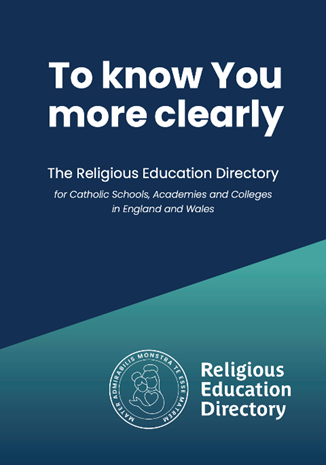
To Know You More clearly (The Religious Catholic Directory for Schools 2023, pg. 13)
INTENT
At Cottesmore St. Mary Catholic Primary School, Religious Education is at the core of the curriculum and is a key driver in promoting the Catholic life and mission of the school. Our intent is that every pupil is enabled to fulfil their God-given potential within an environment of joy, respect, challenge, cooperation, and celebration. [cite: 3] Through this, pupils are formed intellectually, spiritually, morally, and socially. [cite: 4]
IMPLEMENTATION
The Religious Education curriculum is carefully planned and sequenced in line with the requirements of the Religious Education Directory (RED), using the ‘Day by Day’ programme. [cite: 5] This ensures full coverage and progression in knowledge, understanding, and skills across all year groups. [cite: 6] Implementation is characterised by high-quality teaching, which is creative, engaging, and responsive to the needs of all learners. [cite: 7] Teachers provide opportunities for pupils to make meaningful links between their own experiences and the teachings of the Church, thereby deepening both understanding and personal response. [cite: 8] Lessons and experiences are planned to create opportunities not only for learning about the Catholic faith, but to inspire awe, wonder, reverence and spirituality in a creative way. We aim to teach children about and explore Catholic and Christian traditions, alongside traditions from other faith backgrounds so they can develop an understanding and respect for all people and the world around us. [cite: 8]
Pupils’ work in Religious Education books is valued as a significant record of their developing knowledge and their individual faith journey. [cite: 9] High expectations are evident, and pupils take pride in their work. [cite: 10] A strong emphasis is placed on discussion, theological reflection, and the use of religious language, enabling pupils to develop religious literacy and articulate their understanding with increasing confidence and accuracy. [cite: 11]
As a Catholic school we are driven by the Gospel values. [cite: 12] These allow the children to deepen their spiritual, moral, social and cultural understanding and also to develop a greater awareness of the spirituality of others, creating tolerance and harmony, vital to their understanding of the world around them. [cite: 13] We are committed to the Catholic faith and valuing each and everyone as unique, made in the likeness of God. The principles of Catholic Social Teaching are embedded throughout the curriculum and wider school life. [cite: 14] Pupils demonstrate an understanding of human dignity, the importance of community and participation, and their responsibility to care for others and for creation. [cite: 15] This is reflected in their attitudes, relationships, and engagement with social justice initiatives. [cite: 16] The school works collaboratively with Deanery schools to provide opportunities for shared learning and collective worship, strengthening pupils’ sense of belonging to the wider Church. [cite: 17] Participation in diocesan events, including the annual Good Shepherd celebration, further enhances pupils’ experience of being part of a living and active faith community. [cite: 18]
Inclusion is a key priority. [cite: 19] The school is committed to ensuring that all pupils can access the full Religious Education curriculum. [cite: 20] Barriers to learning, including those related to literacy, are effectively addressed through appropriate support and adaptive teaching strategies. [cite: 21] As a result, pupils of all abilities are able to make good progress and engage meaningfully in their learning. [cite: 21]
IMPACT
The impact of our Religious Education curriculum here at Cottesmore St. Mary is measured in a variety of different ways. Firstly, through our robust, whole school monitoring system. The impact of the curriculum on the progress and attainment of our children in RE is measured through ongoing teacher assessment during lessons using pupil book studies and lesson observations. [cite: 22]
In addition to these, assessment in RE shows the impact of our RE curriculum. Ongoing assessment of each topic against the End of Year Standards and national and diocesan guidelines, are used to identify areas of strength, areas for focus or support and to inform planning. [cite: 23] Assessment is moderated internally and also externally at termly, local RE cluster meetings. [cite: 24]
Importantly, the impact of the RE curriculum is also shown through our children and their deepening appreciation of their faith and God-given talents. Our children are articulate and able to talk openly about their faith and the role they play in the community and wider Catholic Church. [cite: 25] Children at Cottesmore St. Mary live out their faith in an active and positive way, they follow in the footsteps of Jesus and ensure that they are making positive contributions in the world. [cite: 26]
RE Policy

Click the image to view the RE Policy
Religious Education Directory Overview

Click icon to view the pdf