


Relationship, Sex, Health Education
RSHE (Relationships, Sex, Health Education)

National Curriculum [2014]: The Purpose of RSHE
To embrace the challenges of creating a happy and successful adult life, pupils need knowledge that will enable them to make informed decisions about their wellbeing, health and relationships and to build their self-efficacy. Pupils can also put this knowledge into practice as they develop the capacity to make sound decisions when facing risks, challenges and complex contexts. Everyone faces difficult situations in their lives. These subjects can support young people to develop resilience, to know how and when to ask for help, and to know where to access support.
At Cottesmore St Mary’s Catholic Primary School, our mission is to nurture the whole child: spiritually, morally, socially and emotionally as well as academically. Through our Relationships, Sex and Health Education (RSHE) curriculum, we help children to understand the importance of loving relationships, respect for others and care for themselves and the wider community. Guided by our Catholic faith and Gospel values, we support pupils to develop confidence, resilience and the skills needed to lead healthy, safe and fulfilling lives.
What is RSHE?
Relationships, Sex and Health Education (RSHE) forms a vital part of our wider curriculum. RSHE prepares children for the opportunities, responsibilities and experiences of life both now and in the future. It equips pupils with the knowledge, skills and values they need to build healthy relationships, care for their wellbeing and make safe, informed choices. Our programme is rooted in the teachings of the Catholic Church and delivered through the Archdiocesan recommended resource ‘Ten: Ten– Life to the Full Plus’. We have also adapted PSHE materials from a number of resources which enable objectives to be met. These programmes enable us to teach RSHE through a Catholic lens, emphasising the dignity of every person, the importance of loving relationships and the value of family life.
Purpose of study
RSHE plays a vital role in nurturing the whole child. Rooted in the Gospel values of love, dignity and respect, our RSHE curriculum supports children to grow spiritually, morally, socially and emotionally, recognising that every person is uniquely created and loved by God.
Through RSHE, we aim to develop essential life skills and personal attributes such as resilience, self-esteem, teamwork, critical thinking and responsible decision-making. Pupils explore themes linked to health and wellbeing, relationships and living in the wider world, including aspects of economic wellbeing and preparing for future aspirations. Our approach helps children to understand themselves, build positive relationships and develop the confidence to navigate life’s opportunities and challenges.
We place great emphasis on mutual respect, compassion and acceptance so that every child feels valued, safe and celebrated for who they are. A strong culture of kindness and inclusion runs throughout our school community and is reflected in our RSHE lessons, daily interactions and wider school life.
As a Catholic community, our teaching is guided by the Church’s understanding of human dignity and the importance of loving relationships. Spiritual, moral, social and cultural development is embedded within our ethos and curriculum. Through daily prayer, assemblies, Masses and learning about other faiths, children are encouraged to grow in understanding, tolerance and respect for others in our diverse world.
Our RSHE curriculum also promotes the fundamental British Values of respect, democracy, individual liberty and the rule of law. In doing so, we support our pupils to become healthy, responsible and compassionate members of society who are well prepared for life in modern Britain.
Led by a dedicated RSHE coordinator, our curriculum ensures that both staff and pupils feel supported in addressing important aspects of personal development. Through this carefully planned provision, our children leave primary school as confident, reflective and well-rounded individuals, ready to flourish in the next stage of their education and in the wider world.
INTENT
At Cottesmore St Mary Catholic Primary School, our RSHE curriculum is rooted firmly in our Catholic mission and values. We believe that education is about the formation of the whole person, enabling every child to grow academically, spiritually, morally, socially and emotionally as a unique individual created in the image and likeness of God.
Our RSHE curriculum aims to equip pupils with the knowledge, understanding, skills and virtues they need to lead confident, healthy and fulfilling lives. Through carefully planned learning, children explore the emotional, social and physical aspects of growing up, relationships and personal wellbeing. RSHE is taught within the context of loving and respectful relationships and promotes self-esteem, emotional resilience and a strong sense of personal responsibility.
Guided by the principles of Catholic Social Teaching, pupils are encouraged to recognise the dignity of every person, develop compassion for others and understand their role within the wider community. Our curriculum nurtures the virtues of kindness, respect, empathy and responsibility so that children learn to form healthy, meaningful relationships based on mutual respect for themselves and others.
At Cottesmore St Mary, we believe that parents and carers are the first educators of their children. We are committed to working in close partnership with families so that children’s physical, moral, mental and emotional development is supported both at school and at home. Through this shared approach, we prepare our pupils to become informed, active and responsible citizens who are ready to contribute positively to society.
IMPLEMENTATION
Personal wellbeing and development are promoted through a carefully structured RSHE curriculum that is faithful to Catholic teaching and responsive to the needs of our pupils. At Cottesmore St Mary we follow the Ten:Ten– Life to the Full Plus programme which provides a comprehensive and faith-filled approach to RSHE.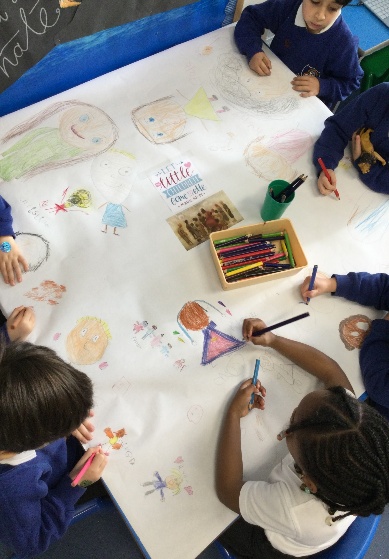
This programme is complemented by opportunities to explore themes from Catholic Social Teaching, enabling children to connect their personal development with Gospel values such as human dignity, solidarity, stewardship and the common good. Through this approach, pupils develop a deeper understanding of how their actions and relationships reflect their faith and responsibilities to others.
RSHE is delivered through dedicated weekly lessons as well as through our wider curriculum, including Religious Education, Science, PE and our broader personal development provision. Learning is enriched through prayer, reflection, discussion, collaborative activities and real-life scenarios that help children apply their understanding to everyday life.
The curriculum is carefully planned and overseen by our RSHE coordinator, ensuring progression, consistency and high-quality teaching across the school. Learning is also reinforced through assemblies, collective worship, themed days, visiting speakers and wider school experiences. Parents and carers are kept informed about the content of RSHE topics so they can continue important conversations and support learning at home.
Class RSHE Books
Each class has a dedicated RSHE Floor Book which captures and celebrates the learning that takes place during RSHE lessons. Teachers use the class RSHE book to record a summary of each lesson, including photographs of practical activities, examples of pupils’ work, contextual notes about the learning and evidence of pupil voice and reflection.
The class RSHE book allows the learning of the whole class to be celebrated in one shared place. Children are encouraged to look back through the book, revisit previous discussions and reflect on the important themes they have explored together throughout the year.
In addition to the class floor book, each child has their own individual RSHE folder where their personal work and reflections are collected. These folders celebrate each child’s contributions and progress within RSHE lessons and provide an opportunity for pupils to take pride in their learning.
At the end of the year, these folders are sent home so that parents and carers can share in and celebrate the thoughtful work and discussions their children have engaged in. Together, the class RSHE book and individual folders provide a meaningful record of learning and ensure that every child’s voice and contribution is valued and recognised.

Sequencing and Organisation of RSHE
At Cottesmore St Mary Catholic Primary School, the RSHE curriculum is carefully sequenced to ensure that children develop knowledge, skills and understanding progressively, while providing opportunities for reflection and personal growth.
-
Pupils have weekly RSHE lessons, ensuring regular and consistent opportunities to explore wellbeing, relationships and personal development.
-
Termly lessons cover Online Safety, Mental Health ensuring key aspects of wellbeing are revisited and reinforced.
-
Half-termly book studies focus on a Protected Characteristic, giving children the opportunity to reflect on diversity, equality, and respect through stories.
-
SRE (Sex and Relationships Education) is taught in the Summer Term to ensure children are mature enough to engage with sensitive content: Year 5 focuses on Puberty, while Year 6 explores Conception.
Lesson Structure
At the start of every RSHE lesson, ground rules are set to create a safe and respectful environment. This allows children to feel confident asking questions and discussing sensitive topics.
At the end of lessons, children are taught the steps to seek help or support if they feel anxious or uncomfortable, both inside and outside school. Each class has a question box and guided meditation concludes the session to support reflection and emotional wellbeing. Each class also has a worry box.
Helping Hands
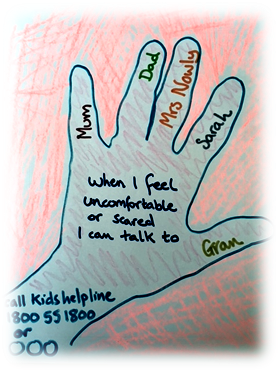 At the beginning of each half-term and the end of every RSHE lesson, pupils create or update their Helping Hands– a personal reminder of five key people they can turn to for support. These may include teachers, teaching assistants, midday supervisors or friends. Helping Hands are revisited regularly throughout the year, reinforcing children’s support networks and encouraging them to talk through problems with trusted adults or peers.
This structure ensures that RSHE learning is cumulative, consistent, and meaningful, helping children to build resilience, understanding, and confidence in managing their relationships, wellbeing, and personal development.
IMPACT
The impact of our RSHE curriculum is seen in the confident, compassionate and respectful young people our pupils become. Children develop a strong sense of self-worth and an understanding of their own dignity and the dignity of others. They gain the knowledge and life skills needed to make safe, healthy and responsible choices, build positive relationships and navigate the challenges of growing up.
Pupils demonstrate empathy, resilience and a growing awareness of their responsibilities within the school, the local community and the wider world. Through the integration of Catholic Social Teaching, they begin to understand how faith calls them to act with justice, kindness and care for others.
The effectiveness of RSHE is monitored through book looks, lesson observations, pupil voice, parental surveys, staff discussions and ongoing curriculum review. Feedback from pupils and parents helps ensure that the programme remains relevant, supportive and meaningful for our school community.
By the time our pupils leave Cottesmore St Mary, they are well prepared for the next stage of their education. They move forward as thoughtful, respectful and confident individuals, equipped with the values, knowledge and skills needed to flourish in secondary school and beyond.

RSHE Curriculum Map

RSHE Policy

For Parents & Carers
Supporting Pupils with SEND
At Cottesmore St Mary Catholic Primary School, we ensure that pupils with Special Educational Needs and Disabilities (SEND) are fully supported to access the RSHE curriculum. Lessons are carefully adapted to meet individual needs through differentiated tasks, visual supports, scaffolded discussions and the use of clear, accessible language. Teachers and support staff work closely together to provide additional guidance where needed, ensuring that concepts are introduced at an appropriate pace and level of understanding. Opportunities for small group work, pre-teaching and targeted support help pupils to engage confidently with learning about relationships, wellbeing and personal development. Through this inclusive approach, all children are supported to develop the knowledge, confidence and life skills needed to build positive relationships and make safe, healthy choices.
Spiritual, Moral, Social and Cultural Development
At Cottesmore St Mary’s, spiritual, moral, social and cultural development is deeply embedded within our school life.
Children regularly participate in:
-
assemblies and collective worship
-
class liturgies and whole school Mass
-
opportunities to learn about and respect different faiths and cultures
Our school community reflects a rich diversity of backgrounds and beliefs. Through our rich curriculum and daily interactions, we promote tolerance, understanding and compassion, ensuring that pupils grow into thoughtful and respectful members of society.
Safeguarding and RSHE
At Cottesmore St Mary Catholic Primary School, safeguarding is central to our RSHE curriculum. In line with statutory guidance, our teaching supports children to develop the knowledge, confidence and life skills they need to stay safe, make responsible choices and understand when and how to seek support.
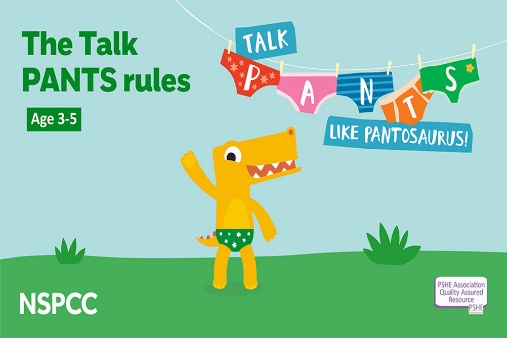
Through carefully planned and age-appropriate lessons, pupils learn to recognise potential risks, understand personal boundaries and develop the confidence to speak out if something does not feel right. Our approach reflects our Catholic values of dignity, respect and care for one another, ensuring that every child feels safe, valued and supported. Within RSHE, pupils are taught about:
-
personal safety and identifying trusted adults
-
developing healthy, respectful relationships
-
recognising inappropriate or unsafe behaviour
-
online safety and the responsible use of technology
-
understanding, expressing and managing emotions
Children are encouraged to communicate openly and confidently with trusted adults both at school and at home if they have worries or concerns. They are reassured that their voices matter and that there are always adults who will listen and support them.
Our RSHE curriculum works in close partnership with the school’s safeguarding procedures and policies, helping to create a culture where pupils feel safe, supported and empowered to seek help whenever they need it.
Sex Education
Relationships Education is compulsory in all primary schools. Sex education is not compulsory in primary schools. Parents have the right to withdraw their children from the non-statutory component of Sex Education in year 6. This is where sexual intercourse is taught discretely as part of the physical aspect within ‘Life to the Full’, the Archdiocesan recommended resource. However, parents will not be able to withdraw from the statutory science curriculum.
Right to Withdraw
Requests for withdrawal from Sex Education in Year 6 should be made in writing and addressed to the Head Teacher (see policy for Right to Withdraw form). The Head Teacher will discuss the request with parents/carers and take appropriate action. Alternative work will be given to pupils who are withdrawn from Sex Education. Parents do not have the right to withdraw their children from Statutory Relationships Education as set out in the DFE guidance 2020.
If you require any further clarification regarding this aspect of the curriculum, please contact: Mrs Brady-Smith (RSHE Subject Lead)
Differentiation and Inclusion
At Cottesmore St Mary Catholic Primary School, we are committed to ensuring that our RSHE curriculum is inclusive, respectful and accessible to all pupils. Teaching is carefully planned to meet the diverse needs of our children, recognising their different abilities, levels of maturity and individual life experiences.
Our approach to RSHE reflects our belief that every child is uniquely created and loved by God. We ensure that lessons are delivered sensitively and appropriately, respecting pupils’ backgrounds, faiths, cultures and family circumstances. Learning is differentiated so that all children are able to engage with the curriculum in a meaningful and supportive environment where they feel safe, valued and heard.
As part of our inclusive curriculum, children learn about the protected characteristics identified within the Equality Act 2010 through carefully chosen stories, discussions and real-life examples. Using storytelling allows pupils to explore these themes in an age-appropriate and meaningful way. Through characters and narratives, children develop empathy, deepen their understanding of diversity and recognise the importance of treating everyone with dignity and respect. This approach helps pupils to understand the value of difference, challenge stereotypes and build a culture of kindness and acceptance within our school community.
Through RSHE, pupils are also supported in understanding the nature and consequences of discrimination, teasing, bullying and aggressive behaviours, including cyberbullying. They learn about the harmful impact of prejudice-based language and are taught practical strategies for responding appropriately, seeking help and supporting others. These lessons help to empower children to become thoughtful, responsible members of the community who actively promote respect and inclusion.
Our commitment to inclusion is underpinned by our school policies and the responsibilities set out within the Equality Act 2010. The governing body ensures that the school actively promotes equality and strives to provide the very best opportunities for all pupils. This includes supporting children regardless of disability, special educational needs, race, nationality, ethnic or national origin, pregnancy or maternity, sex, gender identity, religion or belief, sexual orientation or whether they are looked-after children.
Through this inclusive approach, we aim to create a nurturing environment where every child feels respected, supported and empowered to flourish.
Teaching of the Protected Characteristics
At Cottesmore St Mary Catholic Primary School, we believe it is essential that children develop an understanding of the diverse world in which they live. Through our curriculum and school ethos, we help pupils learn how to live alongside others with respect, compassion and understanding, recognising the dignity of every person.
The Equality Act 2010 identifies nine protected characteristics: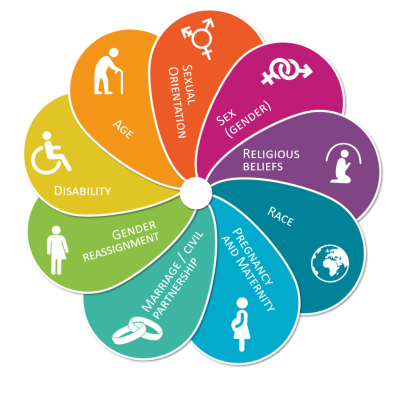
-
Age
-
Disability
-
Gender reassignment
-
Race (including colour, nationality and ethnic or national origin)
-
Religion or belief
-
Marriage or civil partnership
-
Sex
-
Sexual orientation
-
Pregnancy and maternity
At Cottesmore St Mary, we take a thoughtful and age-appropriate approach to teaching about these characteristics in order to:
-
eliminate discrimination, harassment and victimisation
-
advance equality of opportunity between those who share a protected characteristic and those who do not
-
foster positive relationships and mutual respect within our community
Our Protected Characteristics Coverage document ensures that these themes are carefully planned across the curriculum and revisited regularly. This document is reviewed and updated to reflect our ongoing commitment to equality and inclusion. Alongside this planned approach, we respond sensitively to relevant issues that may arise within school, the wider community or current events.
We are committed to creating an environment where respectful and honest conversations can take place. Through these discussions, pupils are encouraged to listen to different perspectives and develop empathy and understanding for the experiences of others.
How we foster positive relationships across all protected characteristics:
-
Each class completes a half-termly book study linked to a protected characteristic, encouraging children to reflect on key themes through stories and discussion.
-
We promote a strong whole-school ethos that actively challenges prejudice-based language, attitudes and behaviour.
-
We strive to create a school environment that welcomes, protects, respects and celebrates diversity.
-
Across the curriculum, we provide opportunities that promote pupils’ spiritual, moral, social and cultural development.
-
Children learn about diversity, equality and the impact of stereotyping and discrimination through Religious Education, RSHE, assemblies, celebration days and wider curriculum opportunities.
-
Our resources and learning materials reflect the diversity of both our school community and the wider world, including a broad range of inclusive texts within our library.
-
Pupils are encouraged to appreciate their own culture while celebrating and learning about the cultures of others.
-
Children are given opportunities to contribute to our work on equality and diversity through initiatives such as School Council projects, celebration events and whole-school activities.
-
Positive messages about equality and inclusion are reinforced through displays, assemblies, visiting speakers and special events.
-
In addition, staff engage in ongoing professional development, including racial literacy training, to strengthen their understanding and ensure that teaching and school practices continue to promote equality, respect and belonging for all members of our community.

To see how we further promote equality, please see our Equality and Protected Characteristic Page

Click the image to link
Protected Characteristic
Curriculum Coverage

Click the image to view as a pdf
Protected Characteristic
Booklist

Click the image to view as a pdf
British Values
We actively promote British Values through our RSHE curriculum, assemblies, educational celebration days, school council and our inclusive school ethos. Please check out our British Values webpage for more information.

Click the image to link
British Values
Curriculum Coverage

Click the image to view as a pdf
Working in Partnership with Parents and Carers
We recognise that parents and carers are the primary educators of their children, particularly in matters relating to relationships and family life.
At Cottesmore St Mary’s we work closely with families to ensure that our RSHE curriculum supports the values taught at home and reflects the teachings of the Catholic Church.
We support parents by:
-
informing them about RSHE topics in advance
-
providing information about the resources used in lessons
-
welcoming discussions and questions about the curriculum
-
sharing guidance so that conversations can continue at home.
This partnership ensures that children receive consistent messages and feel supported both at school and within their families.
Personal Development
Our RSHE curriculum plays a significant role in supporting the personal development of every child.
Through our programme pupils develop:
-
confidence and self-esteem
-
empathy, kindness and respect for others
-
resilience and emotional wellbeing
-
an understanding of responsibility and citizenship
-
the skills to make positive and healthy choices.
These qualities are reinforced through many aspects of school life including assemblies, collective worship, pupil leadership opportunities, charitable work and wider curriculum experiences.
By the time pupils leave Cottesmore St Mary’s, they are well prepared for the next stage of their education as thoughtful, respectful and confident young people who understand their value and their responsibilities as members of God’s family.
Enrichment in RSHE
Opportunities for RSHE linked visits are planned for, as well as visits from guest speakers and organisations in the local community (emergency services). This also includes themed days/events, such as Anti-Bullying Week, Children’s Mental Health Week, Black History Month.


Cottesmore Reading book spine
As well as the books explored in Guided Reading sessions, each class selects a class reader which they read for pleasure daily. These books are selected from the Cottesmore Reading Spine but supplemented with teacher’s choice of texts. The Cottesmore Reading Spine consists of eight texts per year group that will be explored over their time at Cottesmore. They are split into eight topic areas which are poetry, non-fiction, diversity, well-being, global issues, inclusion, traditional tales and equality. Below you can find the Cottesmore Reading Spine.
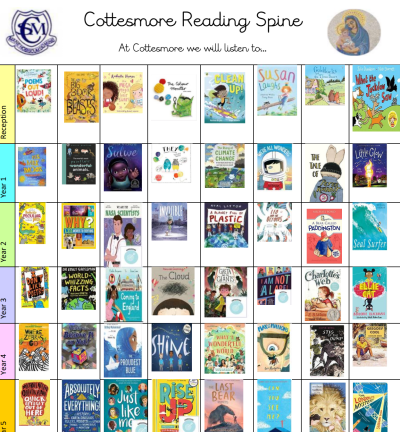
Click the image to view as a pdf
Monitoring, Assessing and Reporting in RSHE
At Cottesmore St Mary Catholic Primary School, we carefully monitor and assess children’s learning in RSHE to ensure that the curriculum is impactful, progressive and meets the needs of all pupils.
Monitoring Subject Content
The RSHE subject lead monitors the programme of study through a variety of approaches, including:
-
Pupil conferencing, focus groups and pupil voice activities
-
Review of recorded lesson content in class RSHE books
-
Governor focus visits
-
Communication with teachers regarding planning and lessons (teacher voice and surveys)
-
Parental feedback via biennial consultations and annual parent voice surveys
-
Analysis of whole-school data such as the Safe and Well at School Survey and CPOM trends, including bullying or prejudice-based incidents
Assessing Children’s Progress
Teachers use a skills progression map and “I can” statements for each topic to track learning, build upon prior knowledge and support progression. At the start of each topic, key vocabulary is shared with pupils and signposted to parents, allowing children to build a rich understanding over time. Assessment is ongoing and varied, including:
-
Observations during lessons
-
Verbal feedback and pupil voice
-
Book scrutiny
-
EYFS profile assessments against Early Learning Goals for Self-Regulation, Managing Self, and Building Relationships
Our RSHE assessment approach is ipsative, focusing on children’s progress over time. At the start of each unit, baseline assessments such as quizzes, mind maps, graffiti walls or “draw and write” activities are carried out. At the end of the unit, pupils revisit these activities–using a different colour to show what they have learned–so both pupils and teachers can clearly see progress. End-of-unit activities also include posters, slogans, role-play, scaling exercises, and other interactive methods that assess knowledge, skills and understanding.
“I Can” Statements and Skills Progression
Children complete personalised “I can” statements for each lesson, endorsed by the teacher. If a child has not fully met the intended outcomes, additional support is provided and relevant staff are informed. RSHE follows a spiral curriculum, ensuring that key topics are revisited with increasing depth, and skills and knowledge are built progressively across each year group. The RSHE Lead monitors class RSHE books and updates the Skills Progression Map termly to ensure continuity and progression.
Reporting Progress to Parents/Carers
-
Class RSHE books and individual pupil folders showcase learning and provide evidence for parents during Parents’ Evenings.
-
Pupils’ “I can” statements, endorsed by teachers, are shared in end-of-year reports along with their folders.
-
RSHE knowledge is formally reported in annual reports, while skills and values are reported informally.
-
Parents are informed if additional support or interventions are required.
Ensuring Knowledge Retention
Children consolidate learning through a variety of methods:
-
Regular retrieval practice at the start of lessons (e.g., quizzes, True/False, vocabulary games)
-
Spiral curriculum design with repeated coverage and increasing depth
-
Reflection time at the end of lessons
-
Pupil conferencing, assemblies, awareness days, and parental involvement
Supporting Your Child at Home
RSHE is most effective when reinforced at home. We encourage parents and carers to discuss RSHE topics with their children to help them contextualise learning. Prior to each unit, parents are informed via newsletters and provided with suggested activities to support learning at home. Our school website also offers links and resources to support RSHE teaching and personal development, regularly signposted to families.
This comprehensive approach ensures that children at Cottesmore St Mary develop the knowledge, skills, values and confidence to thrive in school and beyond.