


Reading

READING
xxx
National Curriculum for Reading
“Through reading in particular, pupils have a chance to develop culturally, emotionally, intellectually, socially and spiritually. Literature, especially, plays a key role in such development. Reading also enables pupils both to acquire knowledge and to build on what they already know. All the skills of language are essential to participating fully as a member of society; pupils, therefore, who do not learn to read fluently and confidently are effectively disenfranchised.”
xxx
INTENT
Reading Curriculum at Cottesmore
At Cottesmore, we aim to foster a lifelong love or reading by exposing our children to a variety of literature across all curriculum areas. We believe that reading unlocks doors to magical worlds and introduces them to a wealth of people and creatures far beyond their own personal experience. Building up the children’s vocabulary gives them the word power they need to become successful speakers and writers as well as confident readers.

Reading is a key life skill and we strive to embed a culture of reading into the core of what we do, providing opportunities for children to read both independently and aloud as well as allowing them the chance to discuss and recommend books they have read to their peers. Reading and quality literature is implicitly interwoven into our curriculum through the use of key texts to expose our children to various genres and famous authors and to enhance the variety of exciting topics that we teach. Alongside phonic understanding we teach the children to develop inference, deduction, explanation, and prediction skills so that they can gain a deeper understanding and enjoyment of the text.
We believe that background and contextual knowledge is vital with regard to comprehension and so texts are carefully selected to link with learning in other subjects. For example, Year 6 read Goodnight Mr Tom alongside their World War Two topic with a focus on evacuation, to enable them to bring their existing subject knowledge to their comprehension of this story, its characters and the vocabulary that is used.
xxx
IMPLEMENTATION
We teach children to develop pleasure in reading, motivation to read, vocabulary and understanding. We also teach them to understand both the books that they can already read accurately and fluently and those that they listen to. They participate in discussions about books, poems and other works that are read to them and those that they can read for themselves, taking turns and listening to what others say. They should be developing their understanding and enjoyment of stories, poetry, plays and non-fiction, and learning to read silently. They will learn to explain and discuss their understanding of books, poems and other material- both those that they listen to and those that they read for themselves - and learn to justify their views about what they have read.
At Cottesmore we follow the ‘Read Write Inc’ phonics program, which gets the children off to a flying start with their reading, encouraging and nurturing their phonic development. Phonics is taught daily in structured sessions in Reception, Year 1 and in Year 2 until children are solid enough in their skills to move on to guided reading sessions. The sessions are taught in differentiated groups to ensure that all learners make good progress in the knowledge and skills that they need. Sessions include daily partner reading of a phonetically decodable book suitable for the children's level. Phonics is assessed half termly to ensure that the groups are fluid and that progress is not limited. Children needing more support have 1.1 tutoring.
For Guided Reading, teachers utilise a yearly English overview, which ensures coverage of objectives in their year group. Guided Reading lessons are taught daily at Cottesmore, five times a week, and are sequenced alongside an age-appropriate text which becomes the key text for the unit. Children are taught reading skills through well-structured whole class reading sessions. In these sessions, links are made to the VIPERS (vocabulary, inference, prediction, explanation, retrieval and summarise/sequence), which are the key skills that build a child’s reading comprehension and understanding.

When exploring a text in a Guided Reading lesson, different reading strategies are applied to enhance child engagement in the reading process. Some of these strategies include:
xxx
• Choral Reading – This develops confidence when reading and is often effective after the text has been introduced, as it increases fluency and expression. As a class, you read one line of the text together, then read line one and line two of the text together, and so on, depending on the fluency and difficulty.
• Echo Reading – The repetition of lines develops fluency and allows pupils to hear expression and replicate in their own reading. The teacher will read and then the pupils will repeat what has been read.
• Ping Pong Reading – This is a fun and fast paced strategy that is useful with a known text. The teacher decides who is going to read next and pupils read aloud, with the teacher controlling how long each pupil reads for.
• Spot Check – This strategy allows the pupils to hear the teacher model expression and also keep up with an effective pace of reading. The teacher will read aloud but sometimes will leave the word off at the end of the sentence, signalling with the tone of their voice to the pupils that they need to read aloud the end of the sentence.
As well as Guided Reading, at Cottesmore, teachers, pupils and parents are invited to celebrate reading in a range of ways and at a mixture of events to further enrich their children’s reading experiences. Termly book swaps are organised to allow pupils to bring in books from home to swap with books from other pupils which encourages not only a variation in reading genres but also the environmentally friendly approach to sharing books with others. Book fairs from local book shops are put on to invite pupils to experience new and up to date books from a wide range of diverse authors. Authors also visit the school to share their experiences as an author to inspire the pupils. Themed days are celebrated throughout the year, including Roald Dahl Day and World Book Day.
Each pupil at Cottesmore is provided with a Reading Folder which they are expected to take home and bring into school daily.
For children in KS1, this will consist of a Reading Journal, a reading book for pleasure and a level-appropriate book which is either linked to their Phonics progression or is at their reading level using banded book levels (see Appendix A).
For children in KS2, this will consist of a Reading Journal, a reading book for pleasure and, if the pupil is below the age-expected level in reading, a level-appropriate book which is either linked to their Phonics progression or is at their reading level using banded book levels.
Pupils who are taking home book banded books are read with regularly and can transition between book bands to align with their reading level.
Reading at home is essential to a pupil’s reading progress so Reading Journals are taken home daily and parents sign these books once a week. Parents are aware of the clear, incremental expectations that are set for each year group and support is offered to families where engagement does not meet these expectations.
Teachers check the Reading Journals weekly to see that parents/guardians have signed to evidence their home reading each week. If these are not brought into school or have not been signed, teachers will follow the steps in the Reading at Home flowchart.
As a school we offer many opportunities to further enrich children’s reading experiences.
 Click image to view pdf of flowchart
As well as the books explored in Guided Reading sessions, each class selects a class reader which they read for pleasure daily. These books are selected from the Cottesmore Reading Spine but supplemented with teacher’s choice of texts. The Cottesmore Reading Spine consists of eight texts per year group that will be explored over their time at Cottesmore. They are split into eight topic areas which are poetry, non-fiction, diversity, well-being, global issues, inclusion, traditional tales and equality. Below you can find the Cottesmore Reading Spine.
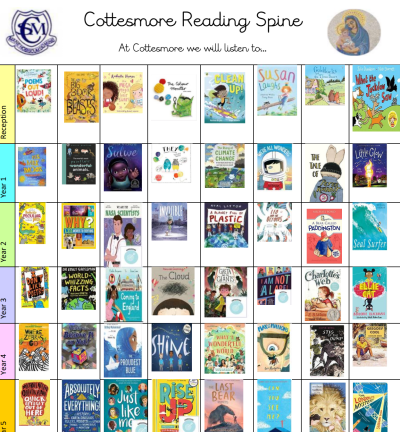
Click the image to view the pdf
IMPACT
Children are assessed termly against the objectives for their year group. Due to the coverage outlined in the English overview, teachers can identify the areas which children are achieving and identify gaps in the children’s reading attainment. This will give the teacher guidance as to how to determine if the child is on track for the specific point in the year. Children are also tested through summative assessments, which are structured in a more formal style. These assessments allow for children to be tracked against the objectives for their year group. From this, gap analysis can be conducted and support can be provided if and when necessary.
In lessons, we ensure that children are supported so that all children can achieve. Each child will explore the same text in Guided Reading as it is a whole class approach, however, tasks and activities may be scaffolded to meet the needs of the child. Support that may be used includes, but is not restricted to, word banks, chunked tasks, sentence stems and vocabulary support. Teachers show awareness of each individual child’s current reading attainment level and ensure that they are successful, whichever stage they may be at.
Additional interventions may run in addition to whole class Guided Reading lessons. These are in place to support children in the skills needed to be at the age-related level for reading for their year group. These interventions are brief, regular and targeted so that learning time is maximised and progress is evident. Some of the interventions that are offered to teachers include:
xxx
Better Reading @ Primary
Reading Fluency Groups
Reading Explorers Comprehension Groups
SHINE Targeted Intervention
1:1 Phonics from Read, Write, Inc Tutoring Programme
An example of skills progression in Reading

Click image to view policy pdf
Reading - Autumn Newsletter

Click image above to view pdf
Roald Dahl Day 2022
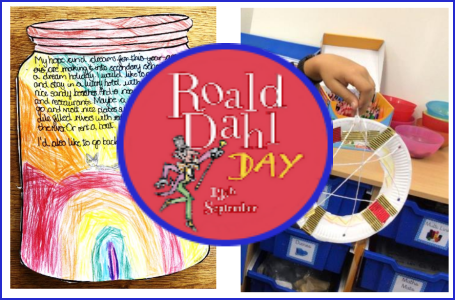
Click image above to view pdf

Click image above to view pdf

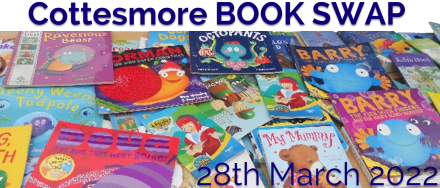
Click images above to link to information about the Book Swaps this year
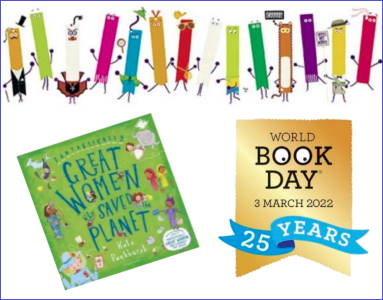
Click image above to link to our page about World Book Day 2022


Support with Reading
Information about reading with your child at home

click to view pdf
click to view pdf

Click images below to view relevant list for each Year Group
p




Click link to view the Reading section of each Year Group's Learning page
Reception |
|
Year One |
Year Two |
Year Three |
Year Four |
Year Five |
Year Six |

World Book Day (05/03/20)

Click the image above to view the video
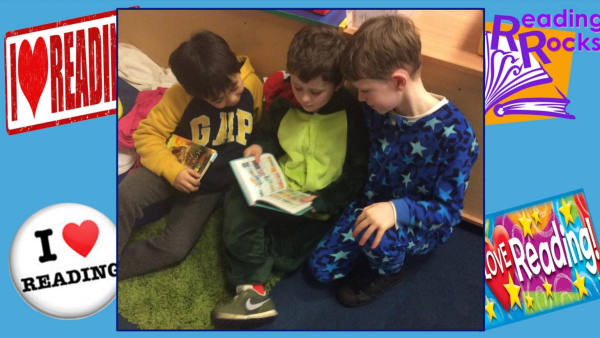
Click the image above to view the slideshow
xxx

Click on the images below to view the videos
xxx
A Year Five pupil reads from
A MEDAL FOR LEROY
by Michael Morpurgo
xxx
xxxx
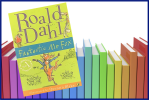
A Year Five pupil reads from
FANTASTIC MR. FOX
by Roald Dahl
xxx
xxxx
A Year Five pupil reads from
THE STAR OUTSIDE MY WINDOW
by Onjali Q. Rauf

xxx
xxxx
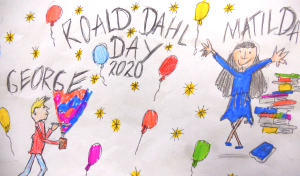
Click the image above for Roald Dahl Day 2020
(Webpage Link )
As it fell on a Sunday this year (13/09/20), we celebrated this wonderful author in school on Friday 11th September.

Click image above to link to our page about World Book Day 2021
xxx
xxxx
xxx
xxx
xx