


Art

Art and Design
x
National Curriculum [2014]: The Purpose of Art and Design
“A high-quality art and design education should engage, inspire and challenge pupils, equipping them with the knowledge and skills to experiment, invent and create their own works of art, craft and design. Pupils should know how art and design both reflect and shape our history, and contribute to the culture, creativity and wealth of our nation.”
INTENT
Art & Design Curriculum at Cottesmore
At Cottesmore we believe creative thinking is an important attribute to individual development within the arts. Within art we offer a visual, tactile and sensory experience exploring the many facets of creativity. Art offers a unique perspective to understand and respond to the world we live in. It can challenge conceptions, develop new thinking, and nurture ideas. It is so much more than making a finished product. Art and design embodies some of the highest forms of human creativity. At Cottesmore our art engages, inspires, and challenges our children equipping them with knowledge and skills to experiment, invent and create. As children progress in art we offer insight to creative thinking and understanding of art and design. We explore how art has contributed to our cultures, shaped our history and how to inspire and influence the modern world. We aim to promote a lifelong interest and enjoyment in the visual arts in the broadest sense.
Children study the work of other artists and unpick the skills, techniques and ideas and use these as inspiration for individual outcomes. This aspect of art at Cottesmore builds student thinking and development through exploration of other cultures, allowing them to question things and wonder about art and design as well as enjoy art on an aesthetic level.
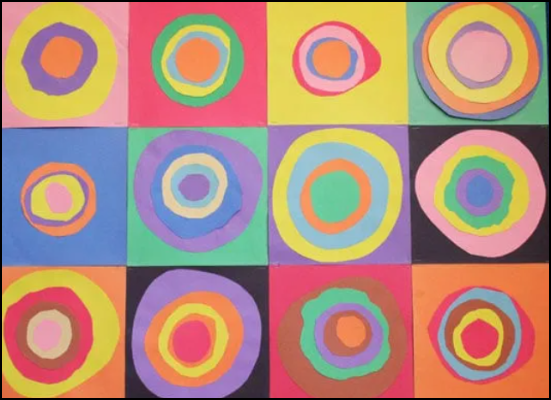
We have a specialist art teacher and a designated art room, which children use in weekly lessons. They explore the seven core strands/concepts in art: form, drawing, pattern, texture, printmaking, painting, collage and colour. We take advantage of the rich artistic and cultural opportunities our city offers.
Learning Art and Design at Cottesmore not only prepares the children for studying the subject at secondary school but inspires them to understand the relevance of the subject in the wider community as well as opportunities in the creative industry as a career.
What Art and Design topics do we teach?
Art is taught in 6 weekly topics, with each year group completing 4 topics over the year. Our approach has a strong emphasis on the process of designing and making. Children explore and develop ideas, often using their sketchbooks and learn new skills and processes to enable them to express and develop their ideas.
Through drawing, painting and sculpture children share their ideas, experiences and imagination. Designed around a strong cultural brief, we develop a wide range of art and design techniques using colour, pattern, texture, line, shape, form and space. Children gain understanding about the work of a range of artists, craft makers and designers, they are able to describe the differences and similarities between different practices and disciplines, in order to make links to their own work.
The making part will sometimes be individual, or in partners or small groups. Children evaluate and reflect on what they and their peers have done through guided discussions, exploring ways of developing their work. The teacher gives verbal feedback during sessions and supports the children in finding the next steps in their learning.
In Year 2 pupils start to expand on the core art skills explored in Year 1. Projects are again linked to curriculum topics to support and expand knowledge whilst further developing skills in drawing, colour, texture, form, printing and pattern.
As children move into Key Stage 2 they begin to hone artistic skills through observational drawings linked to past and contemporary artists and art movements. Most projects link to curriculum themes, artist copies initiate research using a variety of media which are revisited through skills development before children start to design their own outcomes based on skills and knowledge learned. This independent creativity supports artistic ability and growth in the creative arena.
We study an ‘Artist of the Month’ across the school and children learn about the history of art, developing a clear sense of chronology and where artists fit into the bigger picture of Art.
IMPLEMENTATION
At Cottesmore we recognise the importance of practical learning and, through art, children have the opportunity to develop as artists, designers and craftsmen researching historical and contemporary skills and areas surrounding art and design. Skills progression is woven through our curriculum. Numeracy has an integral role in art and design, children are taught connections to mathematics and physics when exploring form, scale, proportion layout, composition and structure. Key phrases are evidenced and utilised making connections to literacy and language development. This helps children develop appropriate vocabulary by introducing and modelling technical vocabulary specific to art and art materials and processes.
We value talk and encourage children to ask questions, to comment on similarities and differences, to make comparisons, name and classify art. We build in opportunities for children to explain their intentions. We value children’s ideas and representations allowing children to produce individual, unique pieces of work not adult determined. We provide opportunities for children to play with ideas and talk about them.
This is achieved by allocating time to experiment, practise, repeat, re-visit and consolidate skills and providing a limited range of quality materials which children can grow familiar with. There is always time to reflect on the work that has been done and by providing quality stimulus using artifacts, objects, and a wide range of images.
Core learning for each topic is carefully chosen and knowledge organisers are used to support learning and retention of knowledge, as they are constantly used and revisited to ensure children remember knowledge over time. Children are taught about great artists and art movements and develop their understanding of the history of art timeline. We have our own kiln which allows children to work with clay and develop their modelling skills.
Challenge in Art & Design
Using a clear progression of art based skills children are taught to develop and achieve more from their Art lessons. When children arrive confident and proficient in the learning, they are encouraged to deepen their understanding and extra challenges are provided to go deeper with their learning.
IMPACT
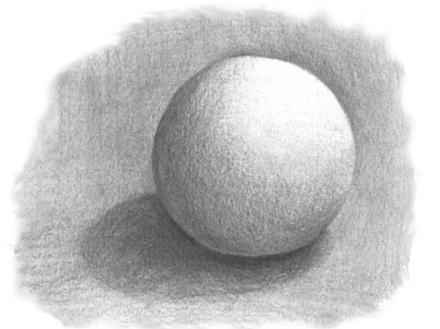
In accordance with the National Curriculum, progress in art is defined by practical application, the development of skills and knowledge. Therefore we have identified the 6 areas of art and design and woven these skills into all topics throughout Key Stage 1 and Key Stage 2. Children develop fine motor skills and tactile properties through experience and memory recall.
In line with our whole-school approach to learning, Cottesmore Art lessons are always adapted to the needs, knowledge and understanding of each class. Should children show a lack of understanding in lessons, learning is quickly adapted to suit their needs. Children and classes who show themselves to be more capable in certain subject areas are encouraged to further develop their skills and knowledge, for example through skill progression and use of advanced processes. Teachers use formative assessment to check what has been learnt and that learning has been remembered and achieved. It is used by teachers to provide feedback, to adjust teaching and learning and to identify pupils falling behind in the learning journey. At key points across and within the Key Stages, we use summative assessment to check pupils’ knowledge in the form of teacher led activities set against the 7 key skills in art and design.
An example of skills progression in Art & Design
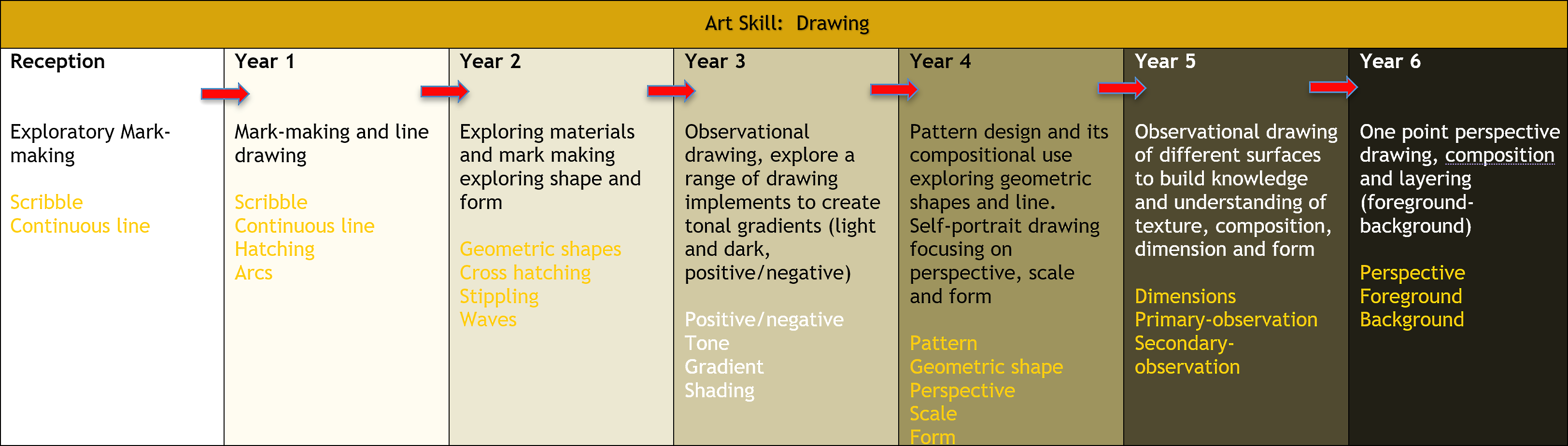 Click on the image to view a larger version
Below are some websites you might find useful to help your child learn at home:
(hyperlinks in blue)
Reception
The Artful Parent
artfulparent.com
This is a page of ideas from The Artful Parent website. It is aimed at parents as well as teachers.
Many of the activities are easily resourced, fun, and accessible for younger children. There is also a connected YouTube channel.
Key Stage One and Two
Tate Kids
www.tate.org.uk/kids
Make and create
Get stuck in with our online art tutorials you can easily follow at home.
xxx.
National Gallery
www.nationalgallery.org.uk
TTate's website has ideas for making, quizzes and games, facts and videos about artists, art movements.
xxx.
National Portrait Gallery
www.npg.org.uk
Specially developed downloadable PDFs, audio and web-based resources to support s learning around portraiture and the Gallery’s exhibitions and the Collection
x
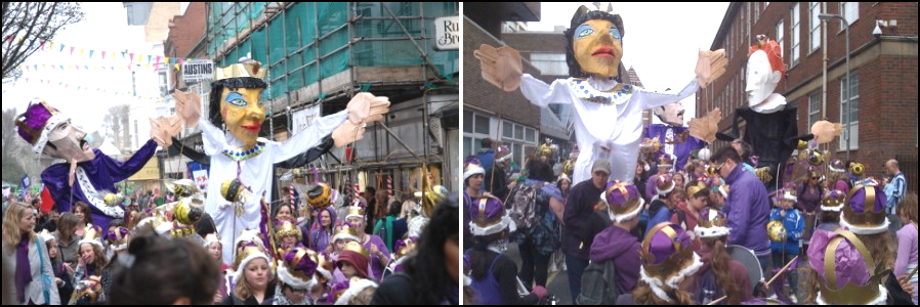
Cottesmore Art Gallery


x
x